Your Trusted General Contractor for Excellent Home Improvements
A trusted general contractor fulfills a essential function in home improvements. Their expertise guarantees work are finished with precision and care. By concentrating on quality materials and craftsmanship, they improve both visual appeal and worth. Open communication and careful planning are crucial for a seamless experience. However, many property owners disregard important considerations when selecting a contractor. Recognizing what to prioritize can create all the impact in achieving a successful renovation. What should homeowners consider first?
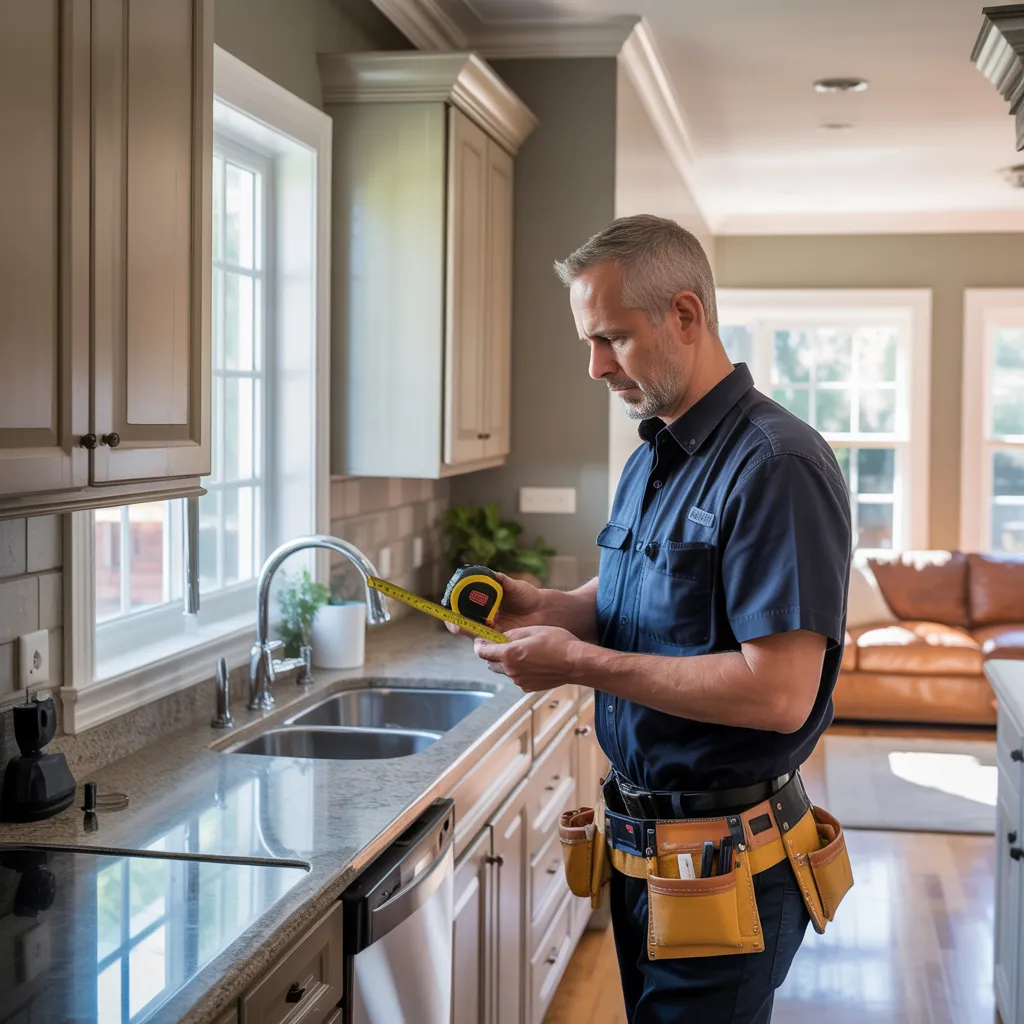
What to Search For in a Dependable General Contractor
When launching a home improvement initiative, how can one guarantee they opt for a reliable general contractor? Initially, individuals should find recommendations from friends, family, or online reviews to pinpoint potential candidates. It is essential to verify qualifications, including licenses and insurance, ensuring the professional meets local ordinances. Next, evaluating prior assignments through showcases or recommendations furnishes insights into the contractor's excellence and dependability.
Furthermore, acquiring multiple quotes can assist in determining reasonable costs and work schedules. The ability to communicate are also critical; a builder should be approachable and responsive to questions. Additionally, a solid contract detailing project scope, deadlines, and payment schedules safeguards both sides. Ultimately, trust instincts; if a builder appears inexperienced or unclear, it may signal upcoming problems. By adhering to these recommendations, property owners can significantly boost their odds of selecting a reliable construction professional, leading to successful home improvement undertakings.
Why Choosing a Local General Contractor Is Your Top Decision
Choosing a local general builder can significantly improve the outcome of home improvement undertakings. Local contractors have precious knowledge of the region, encompassing construction standards, regulations, and zoning laws, guaranteeing adherence and productivity. Their established relationships with suppliers and specialized contractors can result in improved pricing and timely access to materials and experienced workers.
Furthermore, local builders often have a standing to maintain within the neighborhood, motivating them to deliver high-quality work. This feeling of responsibility builds trust and confidence among homeowners.
Furthermore, proximity enables easier communication and quicker response times, which can be crucial during a project. Homeowners can also ask for referrals from locals or friends who have earlier worked with the contractor, providing peace of mind. Overall, selecting a local general contractor not only supports the community but also improves the overall quality and experience of home improvement endeavors.
A Detailed Step-by-Step Blueprint for Your Property Renovation Undertaking
Starting a residential renovation project requires thoughtful preparation and implementation. Creating a construction schedule is vital to guarantee that work items are finished efficiently, while choosing premium supplies can significantly impact the project's outcome. This resource will detail these important steps to help homeowners manage their improvement journey effectively.
Establish Your Task Timeline
A carefully structured schedule is paramount for ensuring successful home upgrades, guaranteeing that all phases are delivered productively. To start, property owners should determine the project's parameters, laying out specific goals and intended outcomes. Following this, they should reach out to their general contractor to establish a grounded timeframe based on the project's complexity and required tasks. Splitting the project into discrete phases allows for better tracking and adjustments as needed. It is also vital to anticipate potential delays, such as weather conditions or logistics challenges, which may impact the timetable. Regular check-ins with the contractor can ensure the project on track. In the final analysis, a definitive schedule cultivates communication and clarifies objectives, culminating in a streamlined property upgrade journey.
Choosing Superior Components
Selecting premium materials substantially affects the success of home improvement undertakings. To commence, property owners should determine the specific needs of their project, accounting for elements such as durability, design, and spending limit. Researching multiple material selections is vital; this includes learning about the advantages and cons of individual option. Consulting with practitioners can offer beneficial insights into trustworthy brands and vendors.
Next, homeowners should request material samples to evaluate the look and feel of materials firsthand. Shopping around for prices across different suppliers can help ensure competitive pricing without compromising quality. Finally, verifying that materials comply with local construction regulations is essential for protection and adherence to standards. By carefully choosing materials, property owners can improve both the durability and aesthetic value of their renovations, ultimately adding value to their property.
Communicate Your Vision Like a Expert
Successful home improvements often turn on the ability to articulate a clear vision. Homeowners should relay their concepts, preferences, and expectations, ensuring that they convey their wants effectively to their general contractor. A well-defined blueprint not only helps in aligning the contractor's plans with the homeowner's goals but also expedites the choice-making process.
Sketches or mood boards, as visual aids, can greatly enhance communication. They provide a concrete guide that demonstrates style, color schemes, and layout preferences. Additionally, participating in frank discussion encourages partnership, allowing the contractor to ask clarifying questions and provide insights.
Establishing practical timelines and financial allocations is equally important. Property owners should be ready to discuss constraints transparently to prevent misunderstandings down the road. In the end, sharing a plan with precision and assurance empowers both parties, paving the way for successful project completion and satisfying outcomes in home improvement endeavors.
The Critical Role of Quality Materials and Fine Craftsmanship
For home enhancement projects, the preference of durable materials greatly impacts the endurance and capability of a project. Comparably significant is the contribution of skilled craftsmanship, which guarantees that these materials are incorporated effectively. As one, high-quality materials and skilled labor create achievements that stand the test of time.
Sturdy Fabric Selection
A carefully chosen collection of robust materials can markedly determine the longevity and aesthetics of home improvements. Quality materials not only enhance the allure of a space but also guarantee that renovations persist the test of time. Homeowners should prioritize materials with proven durability, such as hardwood, stone, and high-grade metals, which withstand wear and tear and environmental damage. In addition, selecting materials appropriate to the local climate can stop issues like rot or corrosion. Putting resources into durable options may require a higher upfront cost, but the long-term benefits—fewer repairs and replacements—make it a wise choice. Ultimately, the right materials enhance a home's value and overall satisfaction for years to come.
The Significance of Skilled Workmanship
Quality execution represents an critical factor in the accomplishment of home enhancements, bolstering the acquisition of resilient materials. Accomplished artisans promise that every element of a project is executed with exactitude, strengthening both utility and visual appeal. Thorough attention in construction, from framing to finishing touches, substantially contributes to the resilience and efficacy of home features. Quality execution not only exemplifies a commitment to excellence but also protects against future difficulties, such as structural defects or aesthetic shortcomings. Additionally, veteran contractors perceive the complexities of various materials, guaranteeing they are implemented effectively. Ultimately, allocating resources to skilled execution results in a more enjoyable and lasting outcome, boosting the overall value of the home and the homeowner's experience.
Common Renovation Errors and How to Prevent Them
Many homeowners encounter pitfalls during home renovations that can lead to expensive setbacks and dissatisfaction. One frequent error is underestimating the budget. Without a detailed financial plan, unforeseen costs can quickly surface, jeopardizing the renovation. Additionally, failing to secure necessary permits can cause fines and work stoppages, complicating the renovation process.
One common error is hurrying the decision-making process. Hasty choices concerning design and layout can lead to disappointment down the road. Homeowners often neglect the significance of hiring qualified professionals, which can undermine the quality of work and safety standards.
At last, poor communication with contractors can cause refer to resource confusion and unfulfilled expectations. To eliminate these issues, homeowners should prioritize detailed planning, get the necessary permits, select experienced professionals, and maintain transparent communication throughout the remodeling period. By tackling these common mistakes, homeowners can guarantee a smoother and more enjoyable renovation experience.
How to Choose the Suitable Materials for Your Renovation?
What strategies can homeowners use to ensure they determine the right supplies for their home improvement work? First, they should assess the exact requirements of the space, considering considerations like performance, design, and resilience. Researching various materials is essential; homeowners should contrast alternatives founded on their compatibility for the expected application and local climate conditions.
Consulting with a reliable building professional can provide valuable insights into selection options, making sure choices match with both budget and design goals. Additionally, homeowners should prioritize sustainability by exploring eco-friendly materials that minimize environmental impact.
At last, assessing samples can facilitate informed determinations, letting homeowners to visualize how materials will appear and feel in their setting. By sticking to these procedures, homeowners can securely opt for materials that better their project while ensuring quality and longevity.
Typical Concerns Users Ask Frequently
How Should I Authenticate a Contractor's Qualifications and Policies?
To establish a contractor's authorizations and coverage, one can review state licensing boards and insurers. Also, obtaining duplicates of licenses and insurance paperwork directly from the contractor guarantees authenticity and compliance with regulations.
How Lengthy Does the Typical Duration for Residential Renovation Initiatives Run?
The anticipated timeframe for residential renovation work varies, often lasting from a few weeks to several months, determined by project complexity, magnitude, and mandatory permits. Engaging in communication with the contractor can help you establish a more reliable schedule.
May I occupy My Home While Renovations Are Taking Place?
Yes, one is able to reside in a dwelling during renovation projects, though it often depends on the extent of work. Smaller-scale renovations may facilitate ongoing occupancy, while extensive work might call for temporary displacement for safety and comfort.
Which Payment Methods Do Tradespeople Most Often Prefer?
Contractors regularly accept a collection of payment types, featuring cash, checks, credit cards, and digital payment platforms. Some may also offer financing arrangements, granting clients versatility in regulating renovation costs and payment schedules.
How Do I Manage Disputes With My Contractor?
To address contractor disagreements, one should express yourself plainly, record every communication, and seek a resolution through negotiation. If unresolved, mediation or legal action may be necessary to safeguard your rights successfully.